Alessandro Favero
AI + Physics

I’m an inaugural Physics-AI Fellow at the University of Cambridge and the Sansom Research Associate at Emmanuel College. I’m also part of the interpretability team at Polymathic AI.
I work on the physics of learning and intelligence. My research combines theory and empirics to advance our scientific understanding of AI, with a focus on the representations deep neural networks acquire – of language, images, scientific data, and tasks. Recent topics include:
- memorization, generalization, and compositionality in generative and world models
- weight-space geometry, editing, and interpretability of foundation models
- formal grammars, language structure and learnability
Before Cambridge I did my PhD at EPFL with Matthieu Wyart and Pascal Frossard, with a summer at Amazon’s AI Labs in Stefano Soatto’s group working on multimodal LLMs. Earlier, I studied physics in Turin, Trieste, and Paris.
I’m always happy to hear from prospective students interested in the science of deep learning. Email volume is high, so a short note explaining your background and what specifically draws you to my work helps me get back faster.
news
| May 11, 2026 | Speaking at the first FLARE workshop at EPFL bridging physics, linguistics & neuroscience of LLMs. Up next, Machine Learning Physics in Okinawa and Youth in High Dimensions at ICTP Trieste in July. |
|---|---|
| May 05, 2026 | Gave a talk on Editing AI Minds at the Infosys-Cambridge AI Industry Symposium, a day connecting academic and industry perspectives on where AI is heading. |
| Nov 05, 2025 | Visiting JHU for a seminar on diffusion models, then a talk at the Flatiron Institute’s CCM in NYC, and finally Stanford for the kickoff workshop of the Simons Collaboration on the Physics of Learning. |
| Sep 25, 2025 | My PhD thesis has been awarded the G-Research EPFL PhD prize in maths and data science. Many thanks to G-Research for this honor. |
| Apr 08, 2025 | I gave a talk at the Perimeter Institute for Theoretical Physics on my research into creativity and compositionality in diffusion models. |
selected publications
-
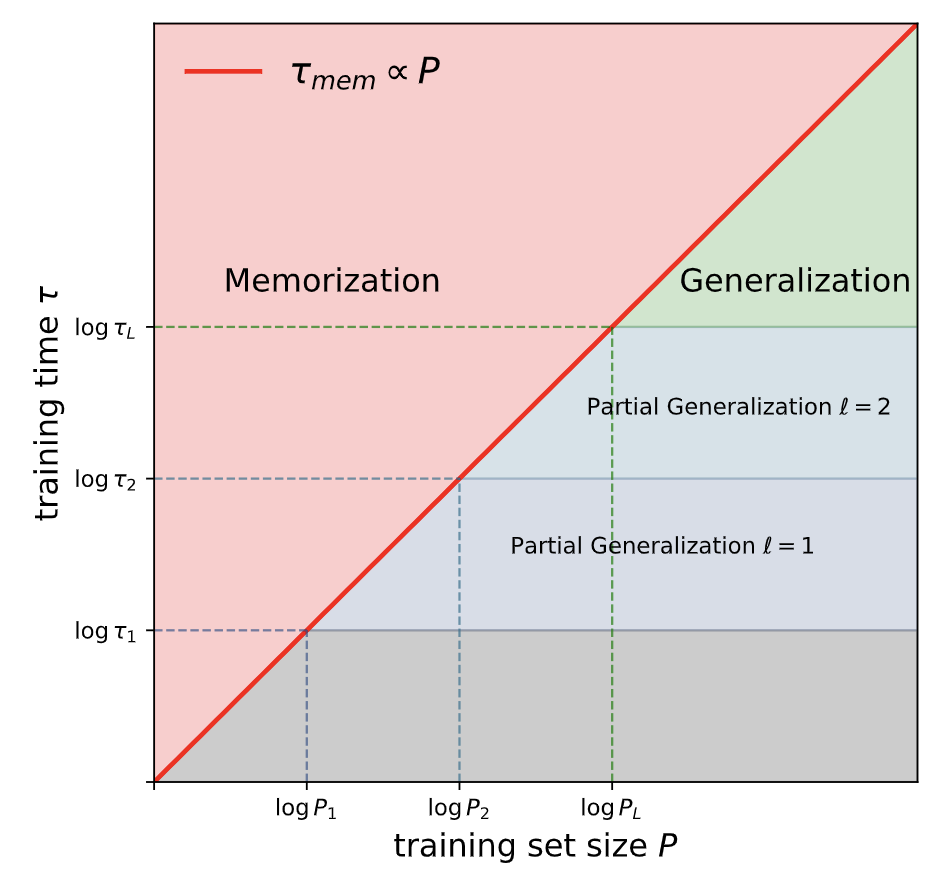 Bigger isn’t always memorizing: Early stopping overparameterized diffusion modelsTransactions on Machine Learning Research (TMLR), Journal to Conference (J2C) Certification , 2026
 -
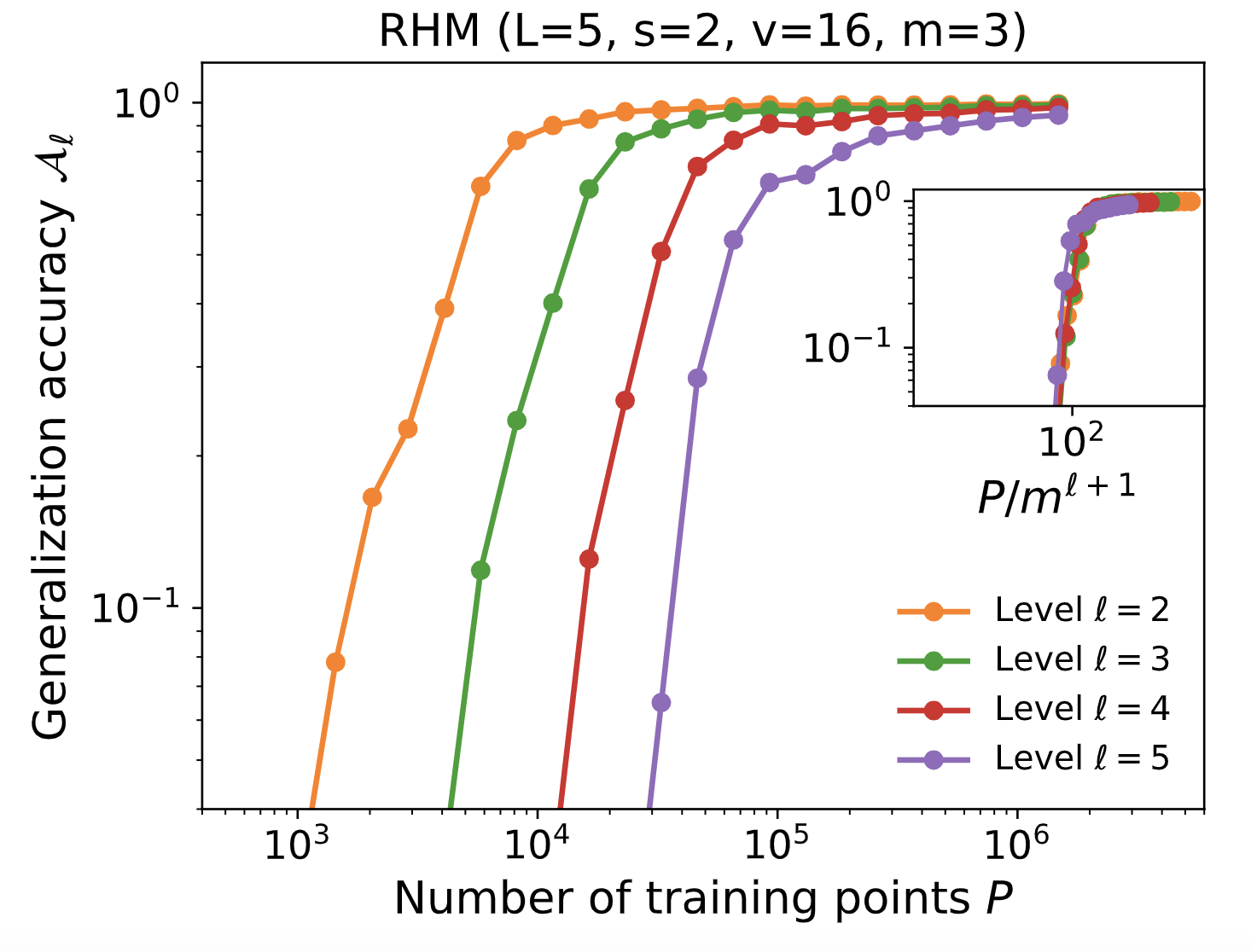 How compositional generalization and creativity improve as diffusion models are trainedInternational Conference on Machine Learning (ICML), PMLR, 2025
 -
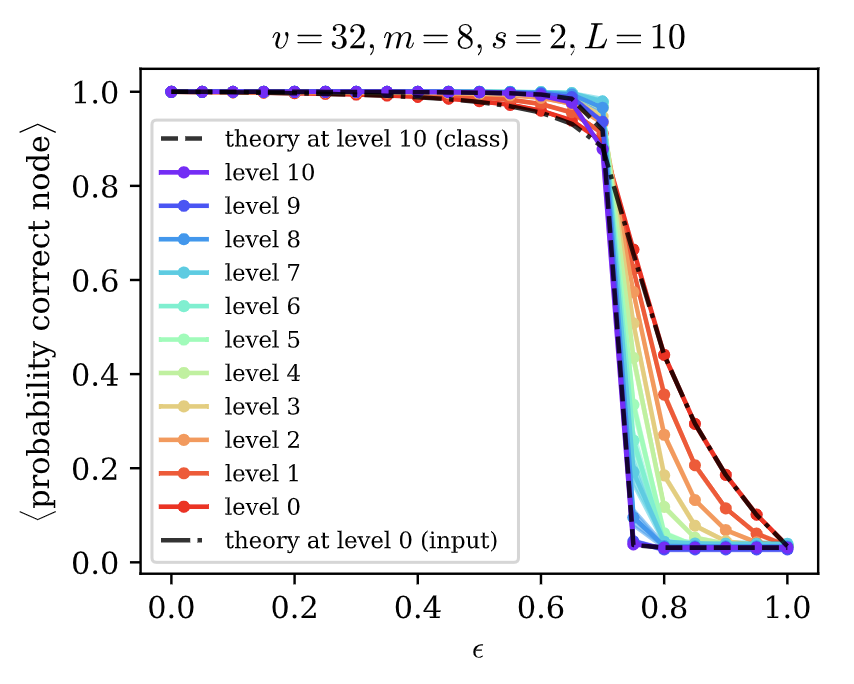 A phase transition in diffusion models reveals the hierarchical nature of dataProceedings of the National Academy of Sciences (PNAS), 2025
 -
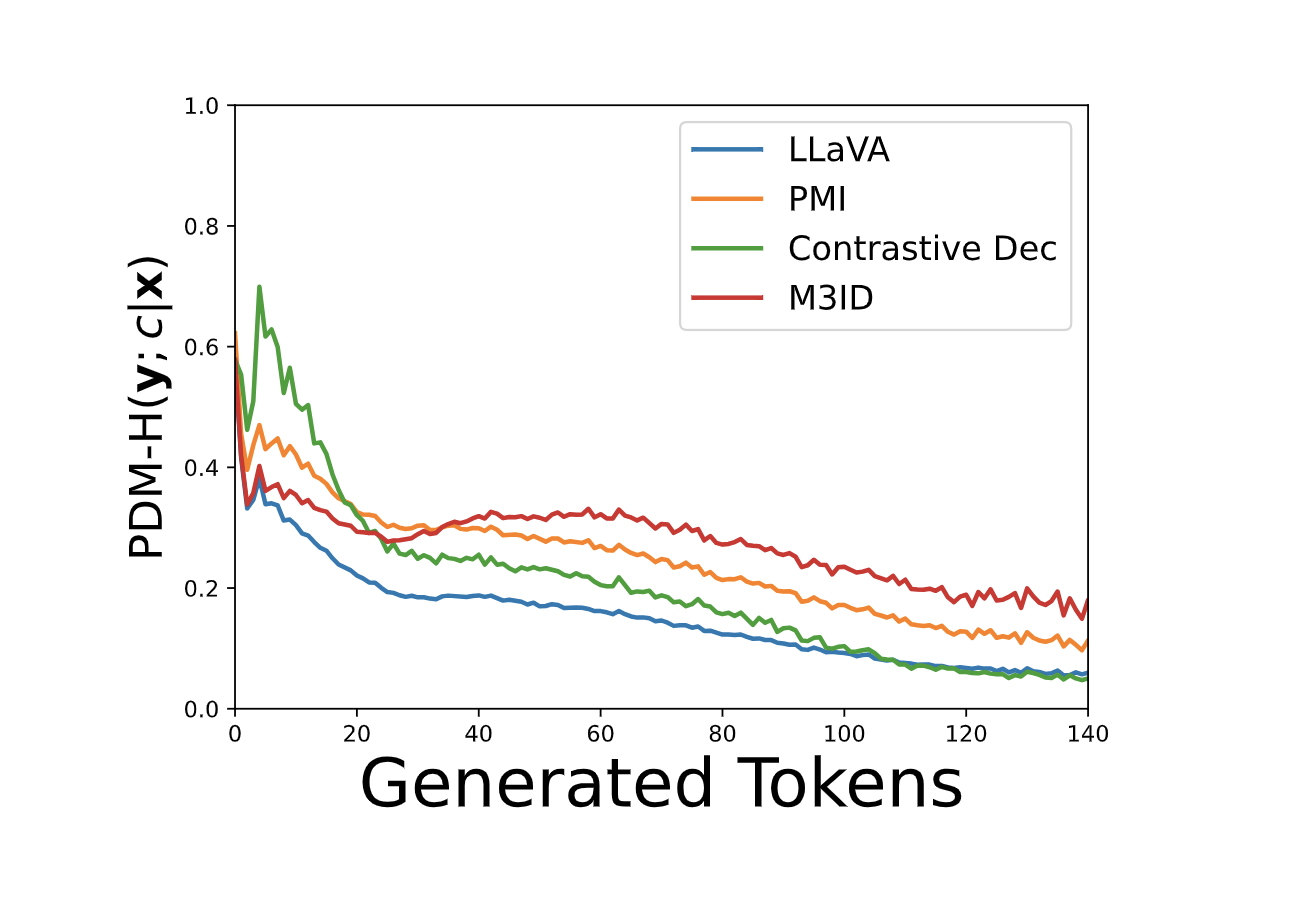 Multi-modal hallucination control by visual information groundingIEEE/CVF Conference on Computer Vision and Pattern Recognition (CVPR), 2024
 -
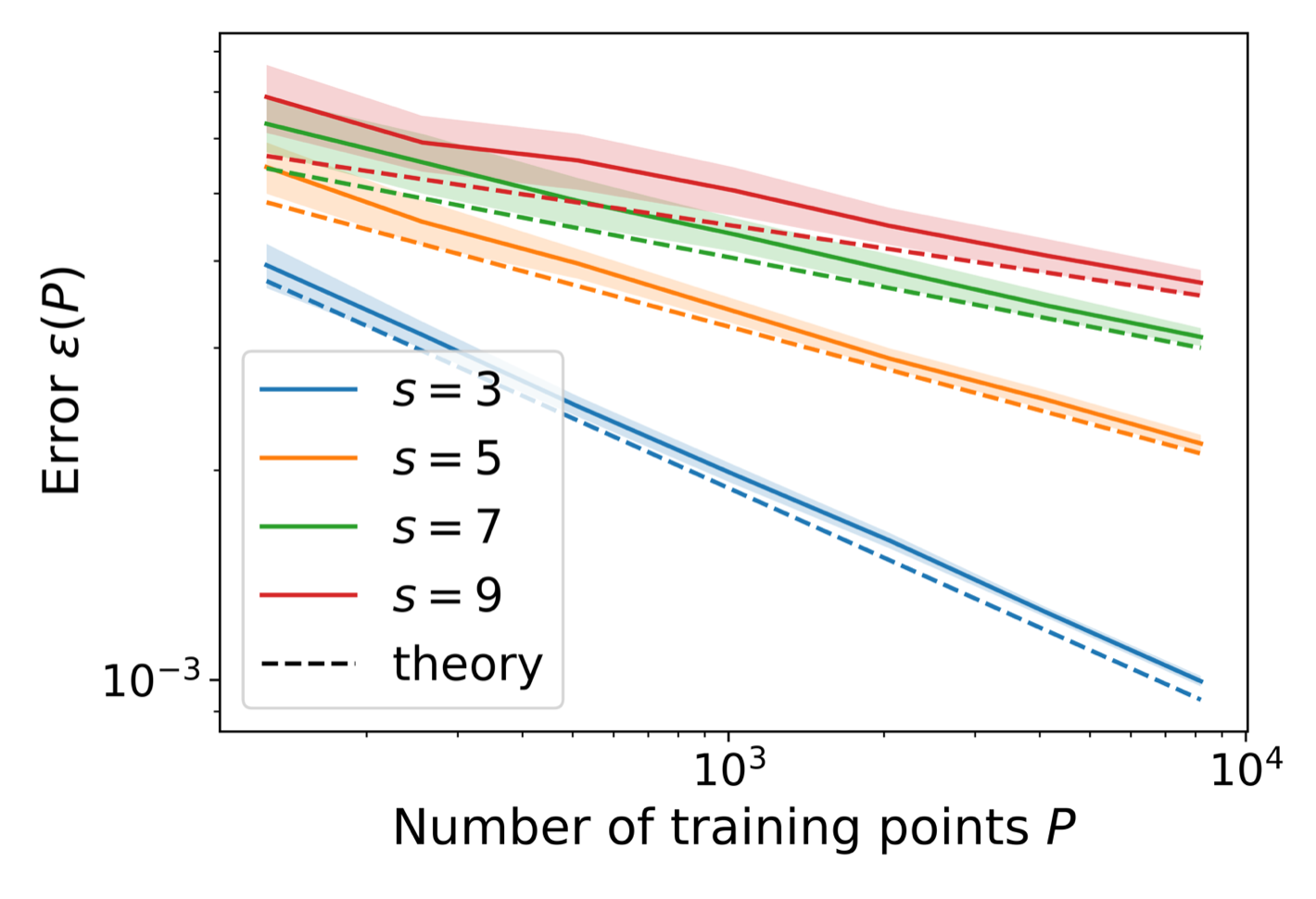 Locality defeats the curse of dimensionality in convolutional teacher-student scenariosAdvances in Neural Information Processing Systems (NeurIPS), 2021


